
1
Skin care first, then a soft padding layer.
Compression that holds the ground you gained. Firm when you move, soft when you rest, so the swelling isn’t back by morning.
What It Is
The reduction you win in a drainage session is fragile. Leave the limb bare and fluid drifts back, often overnight. Bandaging is what stops that between visits.
Short-stretch bandages have very little give. When your muscles push against them, the limb gets a gentle pumping effect with every step you take. At rest they stay soft, which is why they can stay on while you sleep. An elastic wrap does the opposite: it squeezes hardest when you’re still and gives way the moment you move.
This is a stage, not a life sentence. Bandaging belongs to the phase where the limb is still changing size. Once it settles, we measure you for a fitted garment and you switch to that. Skip the wrapping, though, and you spend the next session regaining what you already earned.
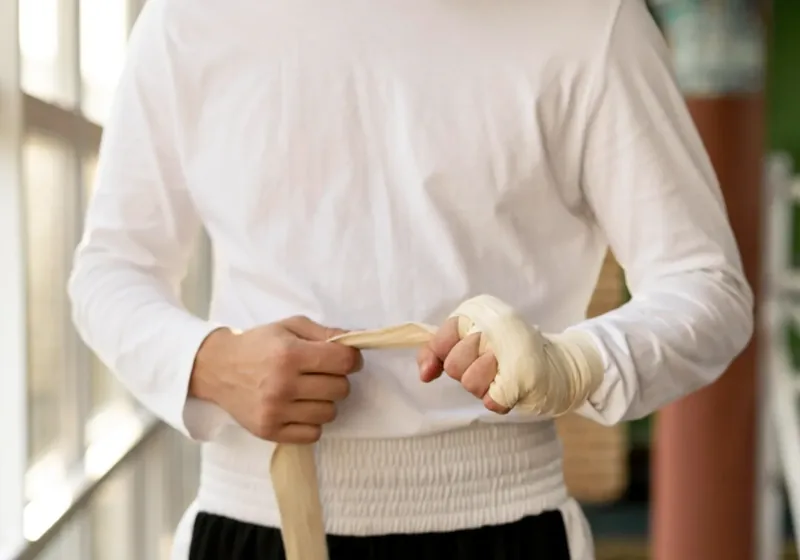 Fit and layering set by your therapist
What It Helps
You’ve never been the type to leave a job half finished. Bandaging is the half most people skip, and it’s the half that decides whether the swelling stays down.
What A Session Looks Like
1
Skin care first, then a soft padding layer.
2
Short-stretch bandages, shaped to your limb.
3
You practice the wrap before you go home.
Why It Works
Progress that survives the drive home.
Compression you can keep on overnight.
A limb that keeps its shape day to day.
A clear path to a fitted garment.
Questions, Answered
It should feel supportive, never painful. Snug and steady is right. Throbbing, pins and needles, numbness or color change in your fingers or toes is not, and it means the wrap comes off and gets redone. Your licensed physical therapist walks you through those warning signs before you leave, so you’re never guessing at home.
Wear time depends on your plan, and it usually includes overnight during the reduction phase. For visits, a general guideline is 2–3 a week for 4–6 weeks, with sessions running 30–60 minutes. That’s a guideline, never a guarantee. Bandaging is also a phase, not forever. When the limb stops changing size, you get measured for a fitted garment and move to that.
No referral is needed to begin. California Direct Access allows up to 45 days or 12 visits, whichever comes first, before a physician signs off. We’re a Medicare specialist, we accept 14 plans plus all PPOs, and we check your exact benefits before your first session. Questions before then? Call us at (562) 512-3320.
Book Your Visit
Request a time and a real person calls you back during business hours. No phone tree. No ‘someone will reach out.’ Just a plan.
We call back during business hours, Monday to Friday
Step 1 of 5
That’s the hard part done. We’ll call during business hours to lock in your time.
Visit Us